Why Pokies Love Sticky Bonus Symbols
If you’ve ever sat down at a slot machine in a Sydney pub or fired up an online reel-spinner from your Gold Coast balcony, you’ve probably noticed those symbols that seem to glue themselves to the screen. They’re called sticky bonus symbols, and they’re not just a flashy gimmick. These little buggers are engineered to keep you spinning, and the mechanics behind them are more clever than a cockatoo cracking a bin lid. Let’s pull back the curtain on why slot machines feature sticky bonus symbols, how they affect your wallet, and what it all means for punters chasing that next big win.
The Sticky Business of Bonus Mechanics
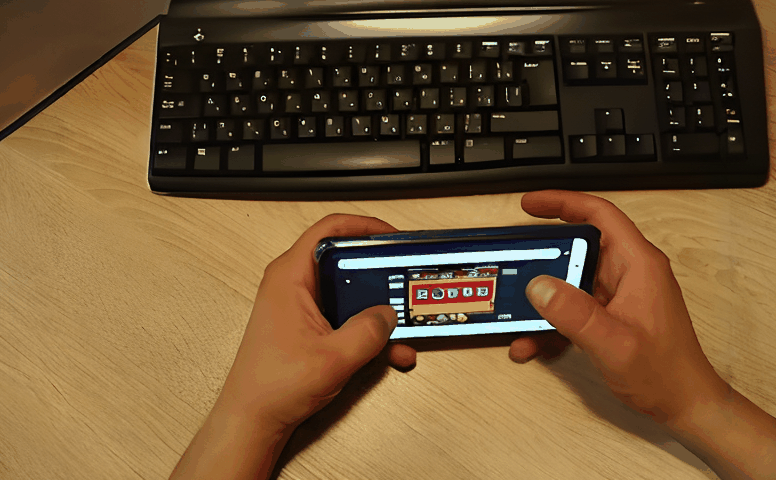
Sticky bonus symbols are exactly what they sound like: special icons that lock in place on the reels during a bonus round, usually for a set number of spins. Once they land, they stay put while the rest liquiddumaguete.com of the reels keep turning. This gives you multiple chances to land matching symbols around them, potentially stacking up paylines like a stack of Vegemite toast. The whole point is to create a sense of momentum and anticipation, making you feel like the machine is working with you rather than against you.
The psychology here is as thick as a Melbourne winter fog. When a symbol sticks, your brain registers progress. You’re not just spinning aimlessly; you’re building toward something. That feeling of “nearly there” is exactly what keeps players feeding the meter. Game developers know that a sticky symbol can turn a dud session into a heart-pumping ride, even if the actual payout odds haven’t budged. It’s the same trick that makes point spreads in sports betting so effective: point spreads level uneven contests by giving the underdog a head start, making the game feel more competitive and the bet more enticing. In the same way, sticky symbols give you a head start in the bonus round, making a win feel more achievable than it really is.
How Sticky Symbols Shift the House Edge
Let’s talk about the maths. Slot machines are programmed with a return-to-player percentage, usually hovering around 85 to 97 per cent in Australian casinos. Sticky bonus symbols don’t change that long-term number, but they do alter the volatility of the game. When you hit a sticky symbol, the variance spikes. You might go from a dry spell straight into a cascade of wins, or you might watch that sticky symbol sit there like a stubborn stain while the reels spin past it.
Chloe Clarke, Chief Financial Officer at Blue Mountains Interactive, puts it plainly: “Sticky symbols are designed to increase the perceived value of a bonus round without dramatically raising the actual payout frequency. They make the player feel invested, which encourages longer play sessions and higher engagement.” That investment is exactly what operators want. The longer you play, the more the house edge grinds away at your bankroll. Sticky symbols are the bait that keeps you on the hook, turning a quick spin into a marathon session.
The practical implication for players is simple: don’t let the sticky symbol trick you into thinking the game has suddenly turned generous. It’s still the same machine with the same odds. The sticky symbol is a feature, not a favour. If you’re playing at a venue that offers red baron slots, you’ll notice these mechanics are common in their high-volatility titles. They’re built for thrill-seekers who want the rollercoaster, not the steady climb.
Australian Market Realities and Local Favourites
Down under, the pokie culture is as ingrained as meat pies and footy tips. From the RSL clubs in Brisbane to the pokie rooms in Adelaide, Aussies spend more per capita on electronic gaming machines than almost any other nation. The local market has a taste for games that deliver quick, visual feedback. Sticky bonus symbols fit that bill perfectly. They give you something to watch, something to root for, even when the wins are small.
Legislation also plays a role. In states like New South Wales and Victoria, pokie machines must display their theoretical return-to-player percentages, and features like sticky symbols are scrutinised to ensure they don’t mislead players about the odds of winning. The Australian Consumer Law requires that gaming machines don’t engage in deceptive conduct, so the sticky symbol mechanic has to be transparent in how it operates. That’s why you’ll often see a little info panel explaining that sticky symbols only activate during free spins or bonus rounds.
Joe Fortune has emerged as one of the leaders in the Australian online casino space, partly because their game library leans heavily into sticky symbol mechanics. They know that local punters love the drama of a locked-in wild or a persistent scatter. It’s the same reason you’ll find sticky symbols in games like “Lightning Link” or “Dragon’s Fire” – they cater to the Aussie appetite for risk and reward. The Courier-Mail recently ran a piece on how these features are reshaping player habits, noting that sticky symbols often lead to longer sessions because players don’t want to walk away when a bonus is “almost there.” You can check the original reporting at Courier-Mail for more on that trend.
The Tech Behind the Stickiness
On a technical level, sticky bonus symbols are a software trick. Modern slot machines use random number generators to determine each spin’s outcome, but the bonus round logic is separate. When you trigger a sticky symbol round, the RNG still spins for the non-sticky positions, but the sticky ones are locked by the game’s state machine. That means the symbol you see stuck on the screen isn’t actually “stuck” in a physical sense – it’s just that the game code has told the reels to ignore that position for the duration of the bonus.
This creates an interesting dynamic. The RNG still has to produce results for the moving reels, but the sticky symbol acts as a multiplier of sorts. If you land a sticky wild, for example, every subsequent spin that places a matching symbol next to it will trigger a payout. The game essentially gives you a free extra chance on each spin, which is why the bonus rounds feel more generous even though the base game hasn’t changed. The Standard.net.au ran a deep dive on how developers balance these features to avoid breaking the maths, and you can read their analysis at Standard.net.au for a more technical breakdown.
The catch is that sticky symbols are often tied to lower base-game payouts. To compensate for the bonus round’s potential, the machine pays out less frequently during normal spins. This is the trade-off. You get the excitement of a sticky bonus, but you pay for it with a drier base game. It’s like ordering a parma at the pub – you know the chips will be good, but the salad might be a bit sad.
Player Experience and Responsible Gambling
From a consumer affairs perspective, sticky bonus symbols are a double-edged sword. On one hand, they make the game more entertaining and give you a sense of agency. On the other hand, they can easily blur the line between a genuine win and a near-miss. That near-miss effect is well-documented in gambling research: when you almost win, your brain releases dopamine almost as if you had won. Sticky symbols amplify this by making near-misses more frequent and more visually dramatic.
For players who struggle with impulse control, this can be dangerous. The sticky symbol creates a narrative of “I’m so close,” which encourages chasing losses. Australian responsible gambling guidelines recommend setting time and money limits before you start playing, and sticky symbols are a prime reason why. They’re designed to keep you engaged, not to help you quit. If you find yourself sticking around just because a sticky symbol is on the screen, that’s the feature working exactly as intended.
Operators like Joe Fortune have a duty of care here. They offer tools like deposit limits, session timers, and self-exclusion options, but the onus is still on the player to use them. The sticky symbol is a tool, not a trap, but it becomes a trap when you don’t recognise what it’s doing to your decision-making. Always remember: the machine doesn’t care if you win or lose. It only cares that you keep spinning.
What the Future Holds for Sticky Symbols
The trend in Australian casinos is moving toward even more interactive features. We’re seeing sticky symbols evolve into “collector” mechanics, where multiple sticky symbols combine to trigger a larger payout. Some games now offer “sticky respins” that keep the entire reel set locked for a few spins, creating a mini-game within the main game. These innovations are driven by competition – every operator wants the next big hit that keeps players glued to their seats.
Regulators are watching closely. The Victorian Commission for Gambling and Liquor Regulation has flagged concerns about features that obscure the true odds of winning, and sticky symbols are part of that conversation. If the industry doesn’t self-regulate, we might see stricter rules about how these features are advertised and explained. For now, the best advice is to treat sticky symbols as what they are: a clever bit of game design that adds spice to the spin, but not a guarantee of anything.
So next time you see a sticky symbol lock in, take a breath. Enjoy the ride, but know the maths. It’s a game of chance dressed up in a story of progress, and the house always has the edge. Play smart, set your limits, and remember that the real win is walking away with your bankroll intact.