The Real Story Behind Roulette History Explained
I met the designer at a Western Sydney café, the kind of spot busy as a weekend market, and asked why anyone should care about a wheel’s lineage when the screen in front of them just shows red, black and a few green pockets. He stirred his flat white and said the answer lives in the maths, not the mythology. Roulette history explained properly starts with a simple probability table and a house edge that never pretends to disappear. The conversation drifted into how a modern platform can borrow that discipline without selling nostalgia as a feature.
A Wheel That Learned to Count Itself

The first thing the consultant wanted to clear up was the romantic version of the story, because roulette history explained correctly has less to do with French salons and more to do with a fixed payout grid that survived every fashion change. He reckoned most players picture a tuxedoed croupier when they should be picturing a ledger of expected value. The double-zero layout in the United States and the single-zero layout in Europe were not aesthetic choices; they were pricing decisions that set the house edge at different levels and never really changed the underlying arithmetic. When I asked how that history matters to a person loading a balance this afternoon, he said the lesson is that the game’s reputation for elegance was always marketing, while the real product is a transparent probability curve. That is the same discipline a slot mathematician applies when tuning a reel strip, because a fair-looking game still needs a payout table that the operator can defend and the player can read without a degree.
What a Modern Platform Borrows From the Past
We moved on to the way a contemporary site should handle the same idea without pretending to be a museum. Roulette history explained through a commercial lens means the platform treats the wheel as a reference point rather than a gimmick, and the local build around Western Sydney reflects that by keeping the interface plain and the payment flow readable. He said the registration should ask for enough detail to verify identity without turning the sign-up into a paperwork exercise, and the cashier ought to show currency, limits and processing time in the same view instead of hiding them behind tabs. When I asked about bonuses, he was blunt that a welcome offer tied to a roulette-style table should have wagering terms that a player can calculate before they deposit, because a bonus that looks generous on the banner can become a slow drain once the multiplier is applied. He compared it to a poorly balanced slot bonus where the free spins sound lively but the contribution rate on losses makes the expected return feel hollow.
- Verify the cashier lists AUD as the base currency before you deposit, not a converted figure that shifts at checkout.
- Read the wagering requirement on any table-linked offer and confirm whether losses count the same way as wagers. https://dog-house-megaways-au.com
- Check the withdrawal path from the same account screen, because a smooth deposit means little if the payout queue is separate and slower.
- Note the verification step upfront so you are not halfway through a session when the platform asks for documents.
Why the House Edge Still Sets the Pace
By the middle of the arvo, the conversation had turned to the one number every designer respects. Roulette history explained in plain terms is really a lesson in why the edge stays constant while the presentation changes around it. He said a platform that understands that will not promise a rhythm that the maths cannot support, and it will not dress up a straight-up bet as if it were a different game. I asked whether that restraint hurts engagement, and he said the opposite is true once the payment flow is honest and the loyalty points actually convert into something visible instead of sitting in a vague balance. The same judgement call shows up when a slot studio decides not to inflate a near-miss animation just because it looks busy, because a player who notices the discrepancy leaves faster than a player who is simply entertained. For a local audience, that means the platform should keep the language clear, the limits visible and the support line reachable when a transaction stalls, rather than relying on a polished banner to carry the whole experience.
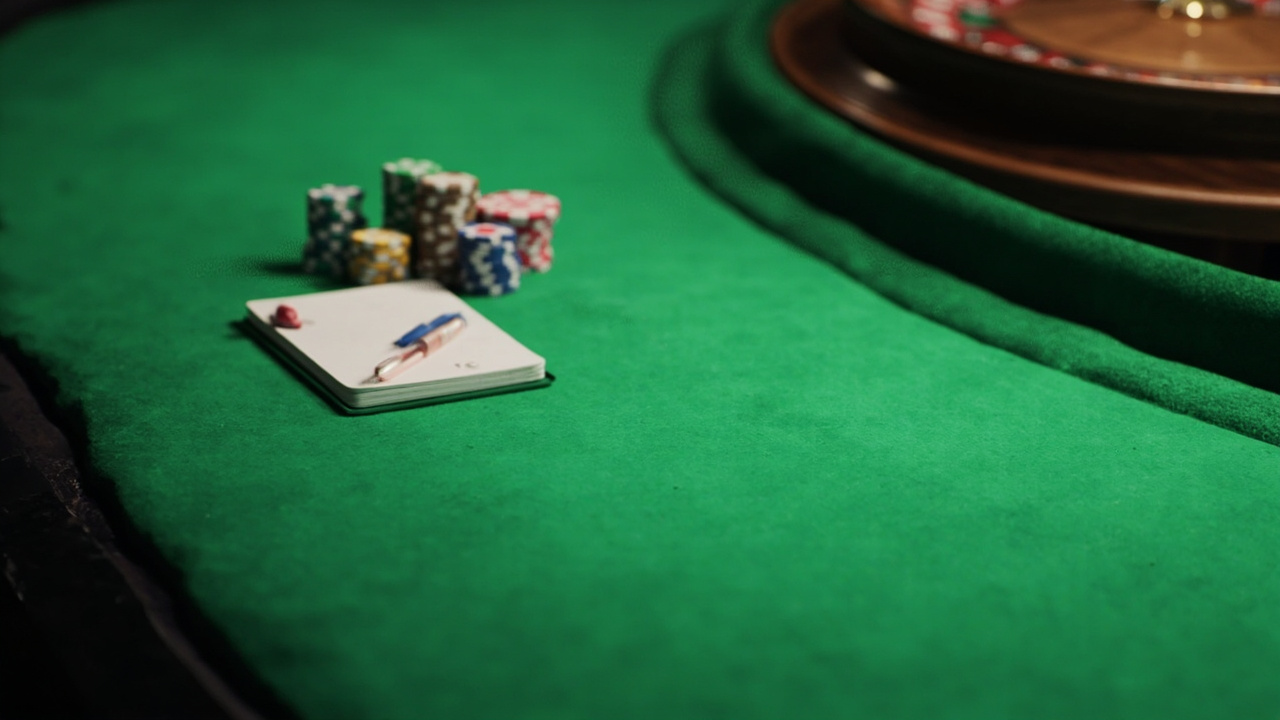
A good roulette history explained read leaves you with a simple takeaway: the wheel’s past is a story about pricing, not romance, and a platform that respects that will show you the edge, the currency and the limits before you commit a cent. The rest is just decoration, and decoration never pays the way home.