Dragon Tiger Free Play: A Decision Guide for Australian Players
If you have ever watched a Dragon Tiger table move at speed, you know the appeal is speed as much as suspense. For an Australian player weighing dragon tiger free play, the real question is whether the practice table teaches you what you need to know before you put money in. I have spent years shaping player-facing visuals for Playtech releases, and I still reckon the cleanest tables are the ones that let the cards do the talking without crowding the screen. Before you commit, treat the demo as a decision tool, not a rehearsal for a guaranteed win.
What the Practice Table Actually Shows You
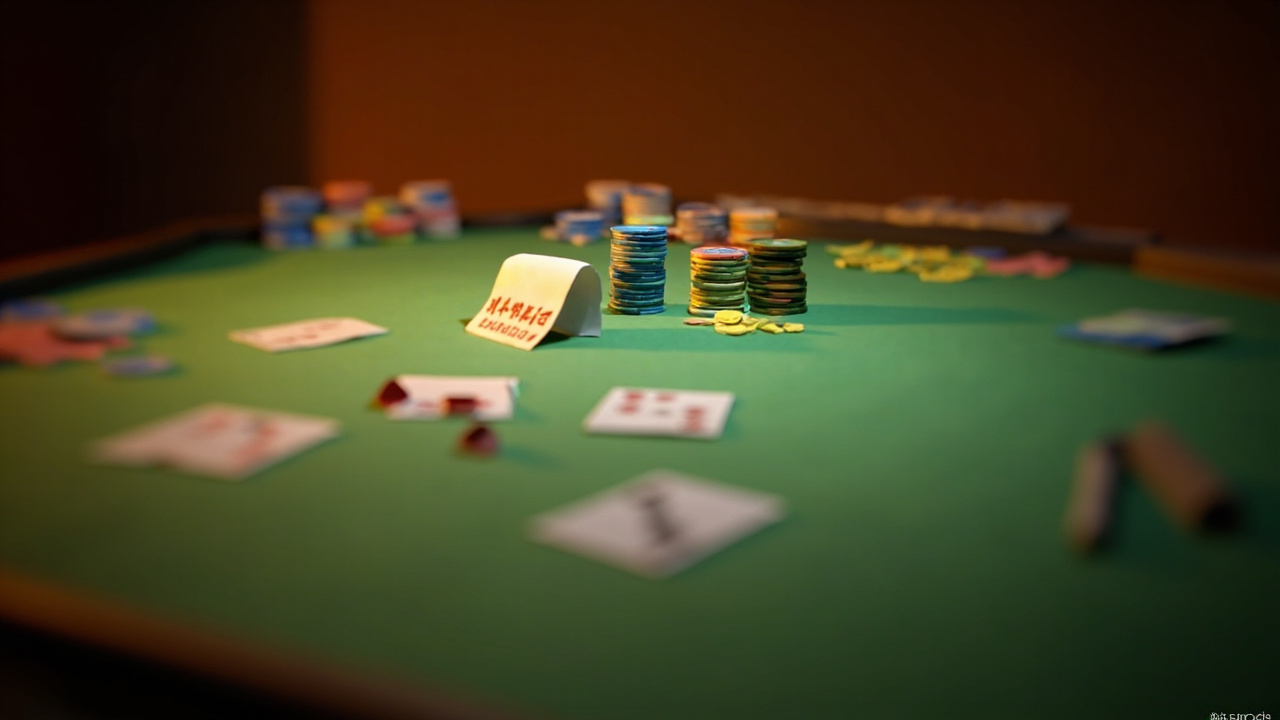
A free-play table should answer one practical question first: can you read the layout without squinting or hunting for the next bet? When I direct art for a new card game, I start with the betting zones and the result strip, because that is where eyes land in the arvo when the pace picks up. A well-built dragon tiger free play table keeps the three betting spots – Banker, Player, Tie – clearly separated, and it shows the last result in a strip that does not swallow the whole screen. If the practice version buries the payout information behind a menu, that is a warning sign about how the real-money version will behave under pressure.
Localisation matters just as much as the graphics. The table should speak in language you recognise, with the bankroll shown in dollars and the rules written in plain English rather than a wall of imported jargon. I have sat through too many playtests where a beautifully rendered shoe was let down by a rules panel that assumed you already knew the house edge. A good demo makes the edge visible without lecturing you: it shows the payout, it shows the result history, and it lets you sit with the decision before you tap anything. If the interface feels like it was translated at speed and never checked by a local hand, move on.
How to Decide If the Demo Is Worth Your Time
Treat the free session like a short usability test you run on yourself. Start by checking the navigation: can you reset the bet, clear the history, and switch between a single card view and a wider table view without losing your place? I have seen tables that look polished until you try to change a stake mid-hand, and then the whole panel jitters or hides the result. That kind of friction is exactly what a player-facing design should catch early, because it is the difference between a table you can read at a glance and one you have to fight for every round. https://bloggingunearthed.com/
Next, look at how the demo handles the things that matter when money is on the line. Does the result strip update cleanly, or does it stutter and redraw? Does the bet slip show the stake and the potential return in a way you can verify in a second? When I review a new release, I judge it by whether a first-time player can place a bet, read the outcome, and understand the payout without backtracking. If the free table passes that test, you have a reasonable read on the real-money experience. If it does not, no amount of polished card art will fix the underlying usability.
A Beginner’s Walkthrough for Reading the Table
If you are new to the game, use the free session to build a simple routine rather than chasing a feeling. The goal is to learn the rhythm of the table so the real-money version feels familiar, not like a fresh surprise every time.
- Open the practice table and set a small, fixed stake you can repeat for ten rounds without thinking about it.
- Watch the result strip for a few hands and note how often the same side repeats, without treating the pattern as a promise.
- Place a single bet on one side, then read the payout and the result before you touch the bet slip again.
- Reset the stake and repeat on the other side, so you see how the table behaves from both angles.
- Check the rules panel once, then leave it alone, because rereading it mid-session is a sign the layout is not doing its job.
- End the session by asking one question: did the table let you make a decision and see the result without any extra tapping?
That routine is not about finding a winning line. It is about learning whether the table respects your attention. The near-miss instinct is real: a result that lands close to your side can feel like an almost-win even when it is just a result, and a good demo should not dress that up as anything more. If the free table keeps the presentation honest, you are in a better position to decide whether the real-money version is worth a measured try.
What to Weigh Before You Move to Real Money
The decision comes down to a few practical checks, not a gut feeling. First, confirm the practice table matches the real-money version in layout and rules, because a demo that simplifies the game too much gives you the wrong read. Second, look at the local details: the currency should be dollars, the language should be plain, and the support path should be easy to find if you need it. I have always judged a release by whether a player in Brisbane could sit down, understand the table, and get help without digging through layers of menus. If the demo fails that local test, the live version is unlikely to surprise you in a good way.
Finally, think about your own habits. If you know you react strongly to a result that almost lands your way, the free session is the place to notice that reaction before any money is involved. Volatility index ratings can help you gauge a slot’s risk profile, and the same idea applies here: a table that moves fast and pays infrequently asks a different kind of patience than one with a steadier rhythm. Use the practice round to see which pace suits you, then decide whether the real-money table is one you want to sit with at all. No demo can tell you what will happen on the next hand, but a well-built one tells you enough to make a sensible call.
A solid dragon tiger free play session is less about entertainment and more about a clear read on the table in front of you. If the layout is readable, the rules are honest, and the pace matches your temper, you have a reasonable basis for deciding whether to go further. If the demo feels cluttered, evasive, or dressed up to sell a feeling, walk away and find a table that lets the game speak plainly.