Exploring the impact of casino design on player behavior
The Psychology of Casino Design
The design of a casino is not merely aesthetic; it plays a crucial role in influencing player behavior. The psychological aspects of design are meticulously crafted to create an immersive experience that encourages players to stay longer and spend more. For instance, colors, lighting, and spatial arrangements can significantly affect mood and decision-making. Warm colors like red and gold are often employed to evoke excitement and energy, while softer hues can foster a sense of calm, allowing players to enjoy their games without stress. This careful consideration of color psychology can significantly enhance the overall gaming experience, as seen in the success of platforms offering uk casino fast withdrawal options, making players more likely to return.
Moreover, the layout of a casino is carefully considered to keep players engaged. Designers often use a maze-like structure that leads players through various gaming areas, maximizing exposure to slot machines and table games. This design tactic not only captures attention but also creates a sense of exploration and discovery. Players might find themselves drawn into different areas, lured by captivating sounds and sights, making it difficult to exit the venue without further gaming. The strategic placement of popular games or new attractions can also act as a magnet, pulling players deeper into the casino environment.
Additionally, psychological triggers, such as the use of mirrors and reflective surfaces, can enhance the experience. These elements create an illusion of space and abundance, making the environment feel more expansive and inviting. Players can feel a subconscious urge to keep playing, as the combination of design elements reinforces the idea of potential wins and enjoyable experiences that lie ahead in the casino. This dynamic interplay of elements ensures that players remain engaged and invested in their gaming experience, ultimately influencing their behavior in a way that benefits the casino.
The Role of Lighting and Ambience
Lighting is a pivotal component in casino design, as it sets the overall mood and influences player behavior. Casinos often utilize a combination of natural and artificial lighting to create an inviting atmosphere. For example, strategically placed spotlights can highlight certain games or features, drawing attention to lucrative opportunities. In contrast, dim lighting in other areas can create a more intimate vibe, encouraging players to focus on their games without distractions. This balance of light can enhance the overall aesthetic while guiding players toward areas of interest.
The ambience created by sound also plays a key role in player engagement. Many casinos incorporate soothing background music alongside the sounds of slot machines and cheering players. This carefully curated soundscape can elevate the gaming experience, making it more enjoyable and immersive. Sounds that signal wins or bonuses can heighten excitement and entice players to keep playing, as they associate these auditory cues with positive reinforcement. The combination of light and sound creates an emotional resonance that can significantly impact a player’s willingness to engage with the casino.
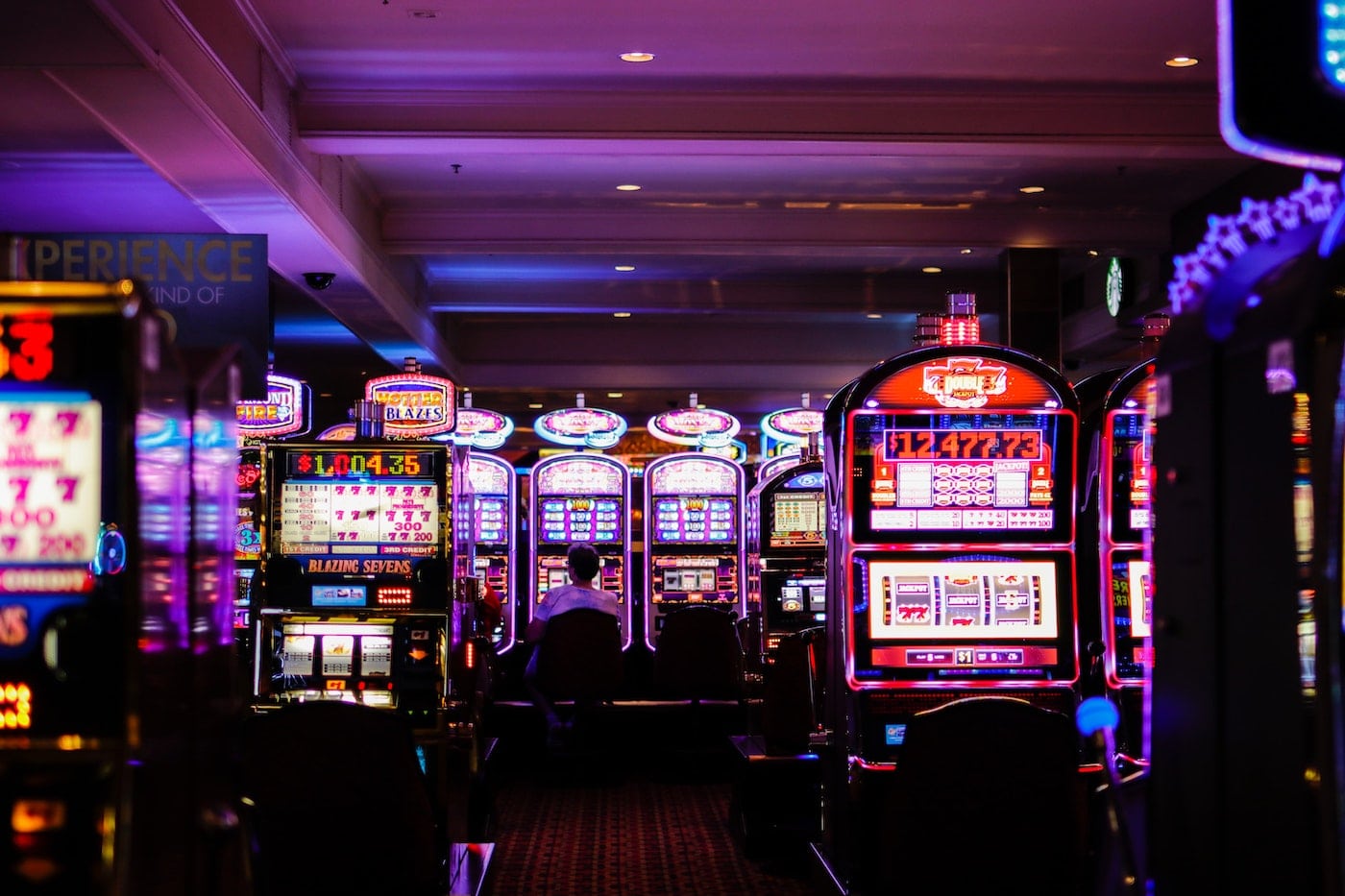
Furthermore, the interplay between lighting and sound can create powerful emotional responses. For example, transitioning from a bright, energetic space to a more subdued area can lead to a psychological shift where players feel more relaxed and open to extended gameplay. This design strategy manages player emotions effectively, balancing excitement with comfort to extend their stay and enhance overall satisfaction. The thoughtful use of lighting and sound can transform a simple gaming session into an exhilarating experience that players are likely to remember and share.
The Impact of Layout on Movement and Access
The physical layout of a casino is crucial in directing player movement and access to various gaming options. Designers intentionally create pathways and open spaces that lead players towards high-traffic gaming areas. This layout encourages players to explore different games and promotes interaction, both with the environment and other players. A well-designed floor plan can make it easy for players to discover new machines, table games, or entertainment options, which often leads to increased spending. The strategic placement of gaming stations is essential in maximizing foot traffic and engagement.
Moreover, the strategic placement of amenities such as bars, restaurants, and rest areas is also a consideration in layout design. These facilities provide players with opportunities to take breaks and refresh themselves; yet, they can also serve as additional touchpoints for extended engagement. By placing dining and entertainment options within easy reach, casinos can keep players on-site longer, fostering a leisurely gaming experience that encourages more prolonged spending. This deliberate integration of amenities is designed to enhance the overall player experience, making it more enjoyable and convenient.
Elevating the importance of accessibility, casinos often feature clear signage and intuitive design that help players navigate the sometimes overwhelming array of choices. Thoughtful pathways can guide players seamlessly from one area to another without feeling lost or confused, contributing to a more enjoyable experience. Such design decisions ultimately enhance player satisfaction and contribute to repeat visits and longer play sessions. The layout’s effectiveness in guiding players not only enhances engagement but also reinforces positive associations with the casino environment.
User Experience and Game Placement Strategies
Game placement strategies are integral to how players interact with the casino environment. The arrangement of machines and tables can influence choices and spending behavior. For instance, placing high-stakes games in prominent locations tends to attract those looking for a thrilling experience, while more accessible low-stakes options can encourage casual players to gamble more frequently. This strategic game placement maximizes the potential for engagement across various player demographics. By catering to different preferences, casinos can ensure that all players feel welcomed and engaged.

Mobile applications and digital interfaces are also becoming increasingly prevalent, allowing casinos to enhance the user experience beyond the physical space. These platforms enable players to track their gaming habits, receive personalized promotions, and engage with the casino from the comfort of their homes. Such technological advancements are likely to reshape player behavior significantly, as they blend traditional gaming with digital convenience, catering to a broader audience. The integration of technology into gaming experiences can attract tech-savvy players and create a more dynamic relationship between the casino and its clientele.
Furthermore, the introduction of gamification elements within games can also shift player behavior. Features such as rewards, achievements, and leaderboards can foster a competitive spirit, encouraging players to continually engage with various gaming options. This combination of physical and digital strategies forms an ecosystem where player preference is continuously incentivized through thoughtful casino design and technology integration. As players become more engaged, they are likely to spend more time and money within the casino, enhancing overall profitability.
Conclusion: The Future of Casino Design and Player Engagement
As the gaming industry evolves, so too will the strategies behind casino design and its influence on player behavior. Understanding the psychological and environmental factors that contribute to a player’s experience is more critical than ever. With advancements in technology and an increasing focus on user experience, casinos must adapt their designs to meet the expectations of a modern audience seeking both entertainment and comfort. This evolution will involve not just aesthetic changes but also a deeper understanding of player psychology and preferences.
Contemporary trends suggest that future casinos will likely incorporate more interactive elements, sustainability practices, and a hybrid of physical and digital experiences. By embracing these aspects, casinos can create environments that not only attract players but also foster loyalty and repeat visits. This ongoing evolution highlights the importance of innovative design as a crucial element in enhancing player behavior and satisfaction. The integration of eco-friendly practices and community engagement can also play a pivotal role in attracting a new generation of players.
For those interested in the intricacies of casino design and player engagement, this exploration underscores the dynamic interplay between environment and behavior. By studying these trends, stakeholders can better understand how to create spaces that resonate with players and enhance their overall gaming experience. This ensures that the allure of casinos continues to thrive as they adapt to changing times and preferences. As the landscape of gaming continues to shift, the focus on thoughtful design will remain paramount in defining the future of player engagement.